
Why Failures Fuel Our Greatest Hits: Lessons from the Lab
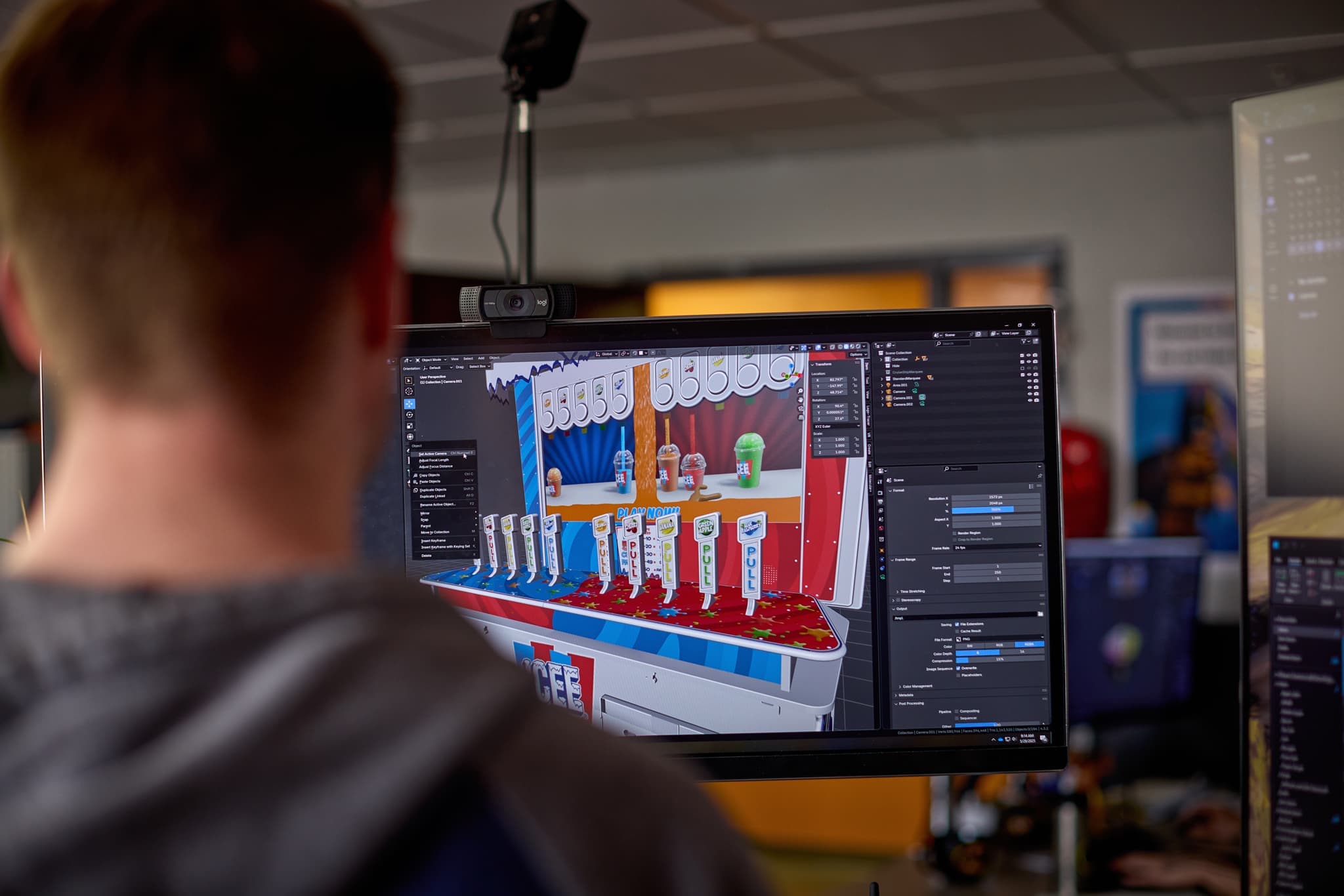
Every great arcade hit starts with an experiment and sometimes, a failure. At Bay Tek Entertainment, we’ve learned that the best ideas often begin when something doesn’t go according to plan. In fact, some of our most iconic products were born from bold experiments, near-misses, and the kind of hard-earned lessons you can only learn through failure.
In this post, we’re sharing how embracing risk, listening to feedback, and iterating relentlessly has helped us create some of our most successful games. If you're curious about what fuels the future of fun, look no further than the lab.
Lesson 1: Complexity Breeds Innovation – The Axe Master Journey
One of the most mechanically ambitious projects we’ve ever undertaken was Axe Master (also known as Hatchet Hero in some markets). The goal: create a fully automated, kid-friendly axe throwing ticket redemption game that felt realistic yet was safe and reliable. But as the first prototypes rolled out, so did a slew of issues we hadn’t fully anticipated:
Target pins were failing and breaking from repeated impact
Cages weren’t strong enough to handle rogue axes
Monitor covers cracked under pressure
The problem? A 1.1-pound axe in the hands of an enthusiastic arcade-goer is no joke.
We cycled through boxes of axe designs, testing different materials, sizes, and colors. It wasn’t just about making it look and feel right, it had to be safe, durable, and fun. Working closely with our injection mold supplier, we eventually cracked the code.
The result was a resilient, high-performing cabinet that hit the market on schedule. And it all came down to rigorous testing, repeated failure, and a commitment to get it right.
Lesson 2: Trust the Data, But Always Test – Connect 4 Hoops
Sometimes your initial internal feedback and experience is wrong. Internally, there were concerns about the original version of Connect 4 Hoops: the gameplay was too long, the cabinet too big, and the potential earnings didn’t seem strong enough to justify the footprint. But rather than pulling the plug, we took the product to the field.
Real-world player data told a completely different story. Initial earnings were phenomenal, player engagement was strong, and the experience was unlike anything else in the market. By sticking to our plan and trusting in the power of real-world testing, Connect 4 Hoops turned into a massive success helped in part by a major order from Dave & Buster’s to roll out one unit per store nationwide.
The takeaway? Intuition matters, but nothing beats real-world testing. That extra step from the lab to the floor makes all the difference.
Failure Is a Feature, Not a Flaw
At Bay Tek, we live by a core belief: "Good Decision = Success, Bad Decision = Delayed Success, NO Decision = Failure." This mindset is embedded in our culture and guides our rapid development cycles.
Rather than aiming for perfection out of the gate, we focus on fast, meaningful iteration. Whether we’re tweaking a ticket curve, adjusting a game mechanic, or responding to live player feedback, each prototype gives us an opportunity to improve. We embrace failure as a natural and necessary step on the path to creating something great.
From whitewood prototypes to MVPs and live arcade testing, every challenge we encounter shapes the DNA of our next success. The most iconic games in our portfolio often come from learning what doesn’t work then using that insight to build something that does.
In arcade game development, perfection isn’t the goal. Progress is. At Bay Tek Entertainment, we don’t just accept failure, we engineer around it. Every lesson learned shapes games that play better, last longer, and perform stronger for our partners worldwide.
If you like this post and would like more behind-the-scenes insights into arcade innovation, design, and development, sign up for our Bay Tek Newsletter to stay informed of our latest product news as well as industry trends and insights.