
How Bay Tek Develops an Arcade Game from Concept to Cabinet
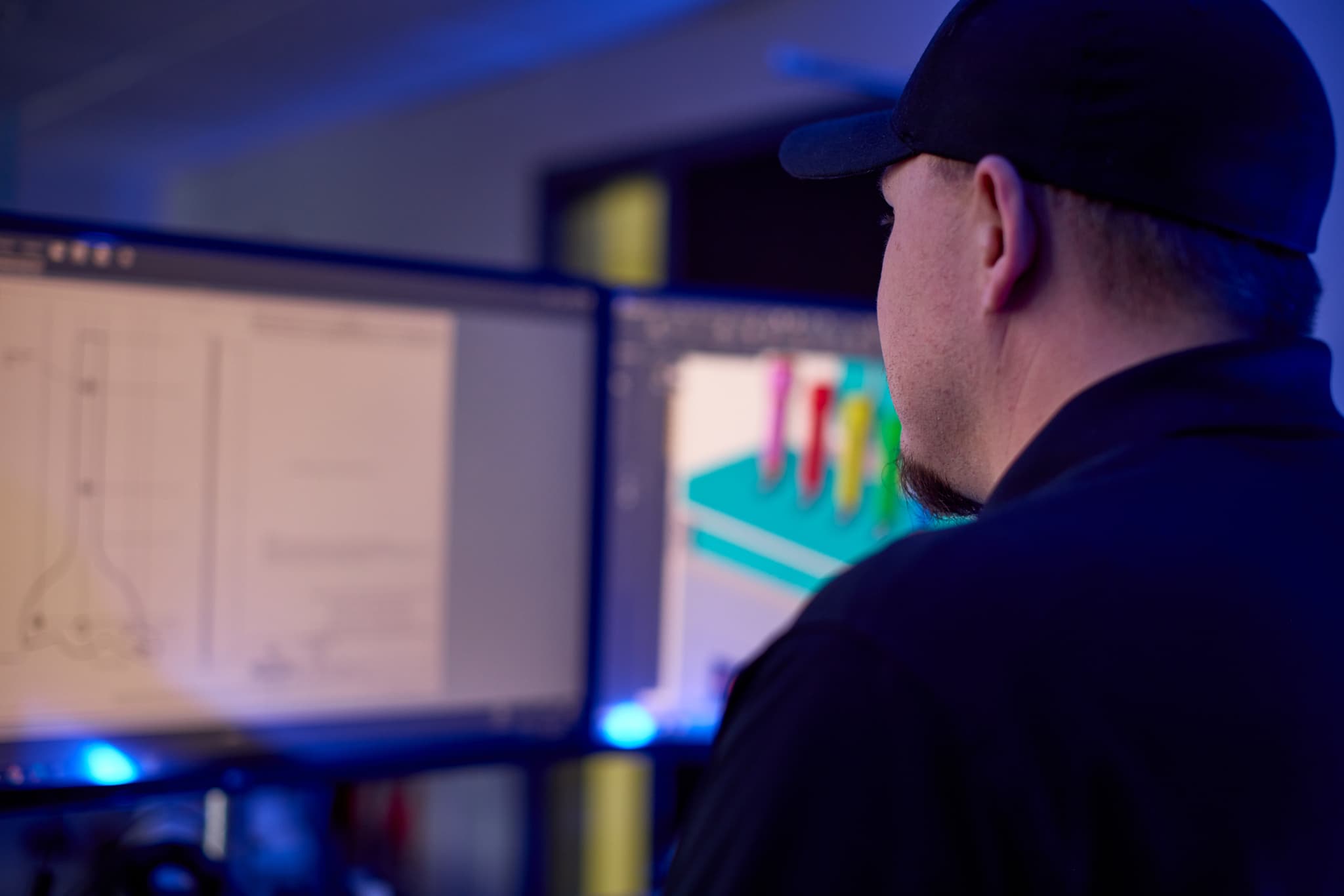
At Bay Tek Entertainment, we don’t just build games, we build experiences that spark joy, foster connection, and keep players coming back for more. Behind every hit redemption or skill-based arcade title is a process fueled by creativity, collaboration, and rigorous testing because in the arcade industry, a well-designed game isn’t just fun, it’s what keeps operators profitable.
Idea Generation & Shark Tank: The First Step in Arcade Game Development
Every great arcade game starts with a great idea. At Bay Tek, we use a customized Stage Gate process specifically adapted for the arcade industry to ensure the strongest concepts make it through to market.This structured approach lets us evaluate ideas at key milestones – concept, prototype, testing, and launch, so only the strongest make it to production.
While game ideas can come from anywhere, more than 80% originate within our internal R&D team, thanks to their deep understanding of gameplay mechanics, redemption strategy, and market trends. We gather, review, and pitch ideas in a "Shark Tank"-style format, where associates from design, engineering, marketing, and leadership come together to score and prioritize the most promising concepts.
Games like Quik Drop and Big Bass Wheel started as sketches in this process before becoming staples in family entertainment centers worldwide.
Art Design to Engineering: Where Vision Meets Reality
Once a concept makes it through the gate, the real fun begins. Our creative and engineering teams collaborate to define the visual theme, gameplay narrative, and cabinet form factor.
Logo and branding concepts are sketched, refined, and tested for impact
Themed cabinet designs and 3D renders are built to evaluate physical footprint, visual appeal, and ergonomics
User flow and prize experience are mapped out to support a seamless guest interaction
This collaborative design phase helps ensure that every game is not just mechanically sound, but visually compelling and on-brand.
Prototyping, MVP, and Field Feedback
Next, it's time to bring the idea to life. Our team constructs internal "whitewoods" or proof-of-concept models to evaluate the early physical experience. From there, we develop an MVP (minimally viable product) to begin testing key gameplay loops, cabinet durability, and overall fun factor.
Before a game ever reaches the market, we run internal tests and then conduct Hedgehog testing. This is where trusted operators and players interact with the unit in real-world conditions. Feedback from Hedgehog testing often inspires adjustments to pacing, lighting, or sound – small tweaks that make a big difference in long-term earnings. Feedback loops are critical during this stage and can lead to multiple design iterations before the game is ready for broader exposure.
From MVP to Market: Ready for the World
Once the game passes field testing and earns its stripes, we begin preparations for launch. And yes, compliance testing is no small feat (but we'll save that story for another post 😊).
Our Launch Pad Process ensures a smooth handoff from R&D to Manufacturing. During this phase:
Documentation for Service and Support is finalized
Marketing materials and video assets are created
Production lines are calibrated for build efficiency
Only once everything is buttoned up do we give the green light for full market introduction.
Built to Play, Built to Last
From the first spark of an idea to the final screw in the cabinet, every Bay Tek game reflects a commitment to quality, innovation, and fun and to helping operators deliver experiences that entertain guests and drive revenue year after year. Our development process is designed to balance creativity with feasibility, ensuring that what we build not only plays well, but also earns well for our customers.
If you like this post and would like more behind-the-scenes insights into arcade innovation, design, and development, sign up for our Bay Tek Newsletter to stay informed of our latest product news as well as industry trends and insights.